Tang Yin
Overview
Tang Yin (1470-1523), also known as Tang Bohu, was a significant figure in the Ming Dynasty (1368-1644) from Suzhou, Jiangsu province. He is renowned for his exceptional talents in painting, calligraphy, and poetry, and is recognized as one of the Four Masters of Wu School. His life was marked by both artistic brilliance and personal adversities, which have been subjects of various cultural portrayals, including plays and films. Tang Yin's influence extends beyond the arts to modern adaptations and exhibitions celebrating his work.
Artistic Contributions
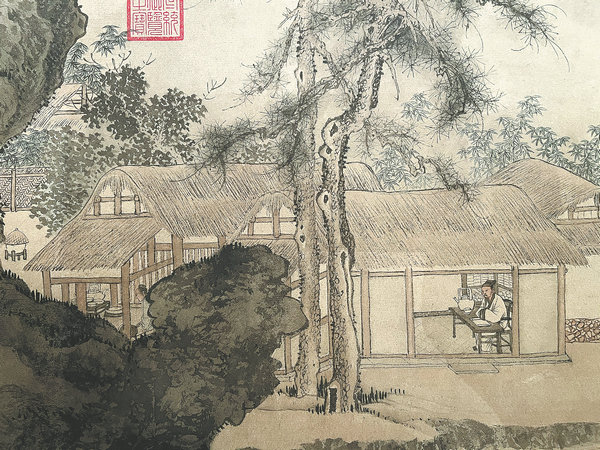
Tang Yin's paintings are characterized by their expression of longing for a reclusive life and the healing power of nature. His works like "Watching the Spring and Listening to the Wind" are celebrated for their tranquil depiction of natural scenery, embodying the Ming Dynasty's artistic ethos. His calligraphy and poetry further exemplify his multi-faceted talent, distinguishing him as a master of the Ming Dynasty's cultural landscape.
Artistic Legacy
Tang Yin's artistic legacy is celebrated in exhibitions, such as the one curated by Suzhou Bay Museum, which showcases his paintings and calligraphy alongside articles, prints, and immersive visual arts. His works continue to captivate audiences with their portrayal of Jiangnan's beauty, where Tang's artistry flourished. Notably, his painting "Two Sparrows on a Tree," featured in a Suzhou exhibition, exemplifies his mastery in capturing serene beauty and philosophical depth.
Ballet "Tang Yin"
In September 2017, the Suzhou Ballet Theater premiered a ballet titled "Tang Yin" at the Suzhou Culture and Art Center Grand Theater. The production, directed by Li Ying and Pan Jiabin, with a libretto by Hu Leilei and choreography by the directors themselves, features music by Edward Elgar, Johann Sebastian Bach, and Arvo Pärt. The ballet explores the inner turmoil of Tang Yin, accentuated through innovative stage and costume designs by Han Jiang, Ran Weihong, and Xu Jiajuan. The narrative delves into Tang Yin's life, revealing his struggles with societal expectations and personal desires. The ballet depicts his implication in an examination fraud, his retreat to a brothel where he meets his soulmate, Shen Jiuniang, and his eventual involvement with the Prince of Ning, exposing the prince’s usurpation plot.
Cultural Legacy
Tang Yin's cultural legacy is preserved through various forms, including exhibitions, ballets, and literary adaptations. His life story, marked by artistic excellence and personal challenges, continues to resonate with audiences and inspire new generations. The celebration of his work in diverse mediums attests to his enduring influence on Chinese culture and the global appreciation of his artistic contributions. Article reference1. ‘Watching the Spring and Listening to the Wind’ provides relief from heat. chinaservicesinfo.com. 20242. Suzhou museum unveils rare masterpiece. chinadaily.com.cn. 20243. Exhibition celebrates Suzhou artists from Ming Dynasty on. chinadaily.com.cn. 20174. Suzhou ballet troupe takes to Europe. chinadaily.com.cn. 2017Photo Gallery(12 pictures)CategoriesArtsTagChinese PaintingChinese PoetryChinese Classical LiteratureHistorical FiguresRelatedMing Dynasty Calligraphy and PaintingDi RenjieMing DynastyShen ZhouCatalogue1. Overview2. Artistic Contributions3. Artistic Legacy4. Ballet "Tang Yin"5. Cultural Legacy- - - []








